Rome Escalator Accident Spurs Global Safety Reforms

 English
 Español
 简体中文
简体中文
 Русский
 Árabe
Árabe
 Français
 Deutsch
 Português
 日本語
日本語
 한국어
한국어
 हिंदी
हिंदी
 Prancis
 Türkçe
 Tiếng Việt
 Italiano
 ไทย
ไทย
Rome Escalator Accident Spurs Global Safety Reforms
April 21, 2026
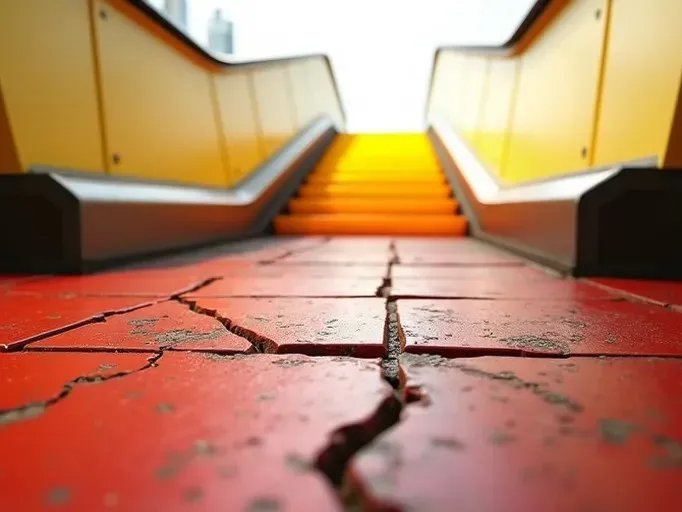
Imagine standing on an escalator, heading toward your destination, when suddenly it accelerates uncontrollably. Panic ensues as people lose balance, screams fill the air—this wasn't a movie scene but a real-life tragedy that unfolded at Rome's Repubblica metro station in 2018. While Wikipedia doesn't dedicate a standalone page to this incident, the safety concerns it raised demand serious examination.
On October 23, 2018, a horrific escalator accident occurred at Rome's Piazza della Repubblica metro station. CSKA Moscow football fans were descending toward their Champions League match against AS Roma when the crowded downward escalator abruptly accelerated to dangerous speeds.
The chaos left dozens injured, many critically. Emergency responders transported victims amid scenes of anguish and confusion. For survivors, the psychological trauma lingers years later.
Italian investigators identified multiple contributing factors:
Overcrowding: The escalator exceeded its designed capacity as hundreds of fans converged simultaneously.
Risky Behavior: Some fans reportedly jumped and shoved, destabilizing the mechanism.
Maintenance Lapses: Inspections revealed aging components and deferred repairs compromised safety.
Systemic Negligence: Absent crowd control measures, inadequate emergency stops, and insufficient staff supervision created preventable vulnerabilities.
The tragedy sparked international scrutiny of public transport safety:
Passengers became more vigilant about escalator etiquette
Italian authorities intensified escalator inspections and maintenance protocols
New safety standards emphasized robust emergency braking systems
Legal proceedings held negligent parties accountable
For Passengers:
Maintain proper footing and handrail contact
Avoid sudden movements or overcrowding
Assist children and elderly travelers
Locate emergency stop buttons before boarding
For Operators:
Implement rigorous maintenance schedules
Install clear safety signage
Deploy staff during peak hours
Conduct regular emergency drills
For Regulators:
Update engineering standards for critical components
Enforce strict compliance audits
Mandate transparent incident reporting
Innovations promise enhanced safety:
AI-powered monitoring detects abnormal vibrations or overcrowding
Auto-braking systems trigger during irregularities
Anti-pinch designs prevent clothing entrapment
Remote diagnostics predict maintenance needs
Beyond hardware upgrades, lasting change requires:
School programs teaching transit safety
Public awareness campaigns
Modeling of responsible behavior by influencers
The Rome escalator disaster serves as a sobering reminder that public safety depends on constant vigilance—from individual choices to institutional oversight. Only through shared commitment can we prevent such tragedies in our increasingly urbanized world.
latest company news
Mail Us


-
About
-
Screw Driven Elevator
-
Small Residential Elevator
-
Follow Us
Binhe Industrial Park, Huihe Street, Jiyang District, Jinan, Shandong, China
+8618654341166
ystelevator@yeah.net
-
Mail Us
China Good Quality Screw Driven Elevator Supplier. © 2025 - 2026 Shandong YST Elevator Co., Ltd.. All Rights Reserved.
